Wildlife in the Smokies

Respecting the wild neighbors around the cabins.

Our cabins sit alongside Great Smoky Mountains National Park, where black bears and other wildlife are part of life here.

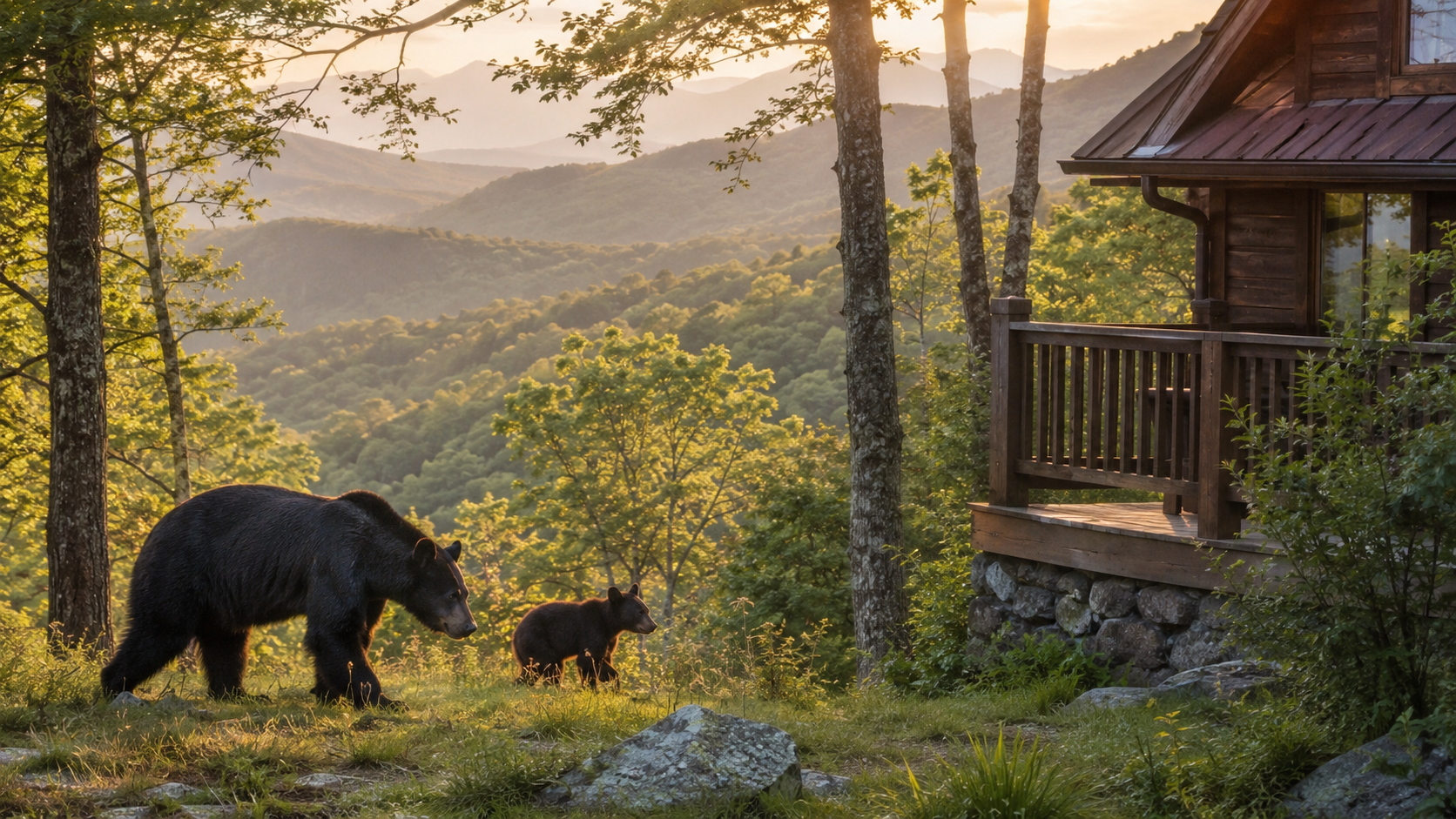
Black bears walking near a mountain cabin in the Smokies
Wildlife in the Smokies

You never know who might make an appearance.

One of the most special things about staying at Cabins at St. Moritz is just how close you are to the wild. Our cabins sit alongside Great Smoky Mountains National Park, and wildlife is very much part of life here.

From black bears wandering past the deck to wild turkeys crossing the road, you never know who might make an appearance during your stay.

Our Most Frequent Visitors

Black bears are an iconic part of the Smoky Mountains.

Black bears are an iconic part of the Smoky Mountains, and around our cabins, sightings are common. We've watched bears stroll past our decks, investigate grills, test the locks on trash cages and cars, and occasionally get a little too curious about hot tubs!

Bears are remarkably intelligent and highly motivated by food. Once a bear learns that a particular place provides an easy meal, it may return, which is why keeping food, garbage, and pet food secured is so important.

A bear that becomes accustomed to finding food around people can lose its natural caution and create dangerous situations for both humans and the bear.

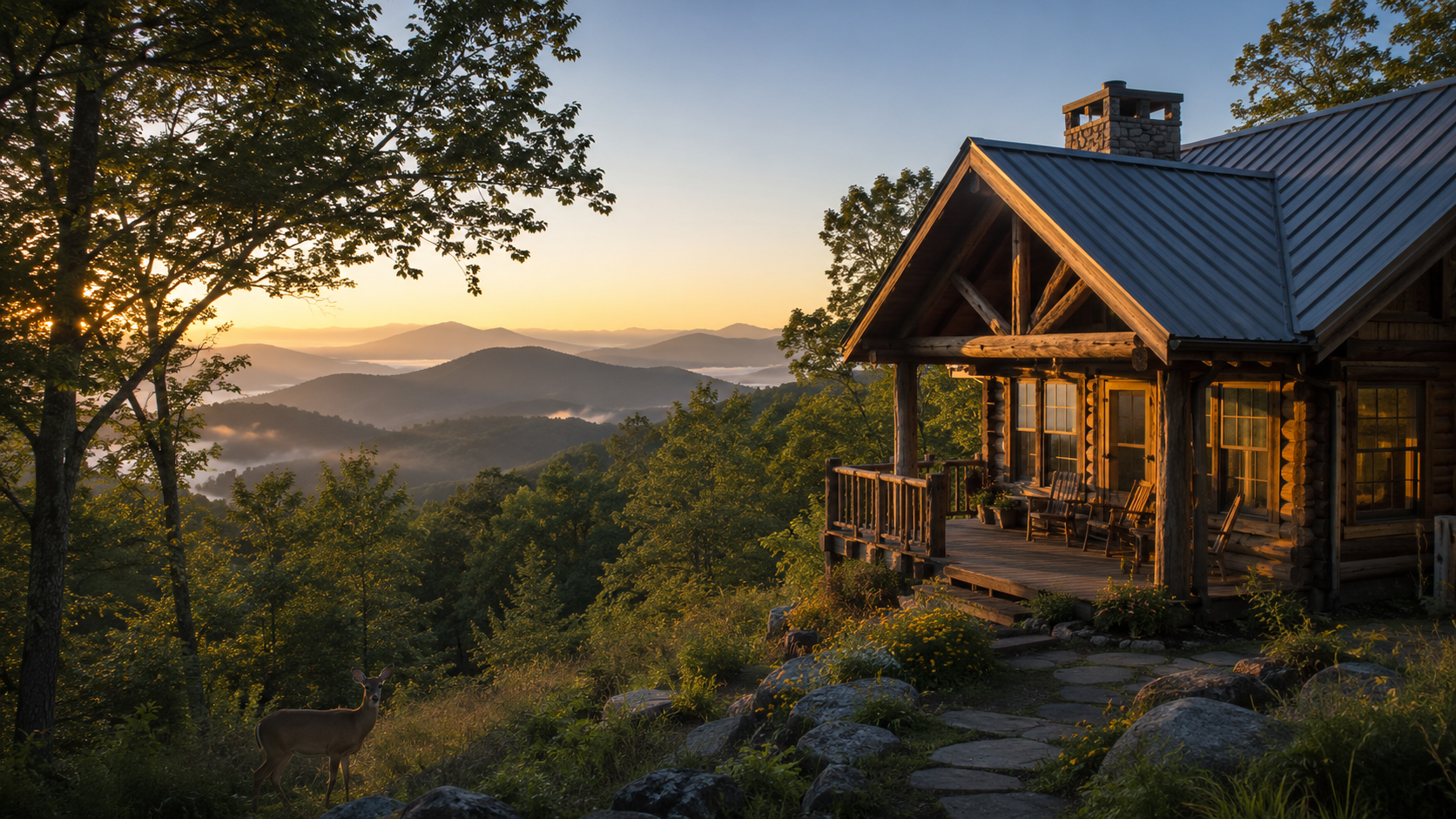
Cabin with a deer nearby and Smoky Mountain views
Help Us Keep Our Bears Wild

Simple rules protect bears and people.

Protecting bears protects everyone. When bears repeatedly obtain human food, the consequences can ultimately be dangerous for the bear as well as people. Our goal is to enjoy these incredible neighbors while helping them remain wild.

  • Never intentionally feed bears or other animals.
  • Secure all trash.
  • Never leave pet food outdoors.
  • Clean up food and grease after using the grill.
  • Keep hot tub covers closed and secured when not in use.
  • Check surroundings before stepping outside with a dog, especially after dark.
  • Keep dogs leashed and under control outdoors.
  • Never approach, follow or crowd an animal for a photo.
  • Always give wildlife plenty of room to move away.
Traveling With Dogs Around Wildlife

Look first, leash up, and make space.

If you're traveling with a dog, check your surroundings before stepping outside, especially after dark. Making some noise before exiting can help avoid surprising wildlife.

Keep dogs leashed and under control whenever they are outdoors. Most bears would rather avoid people, but they are still powerful, unpredictable wild animals.

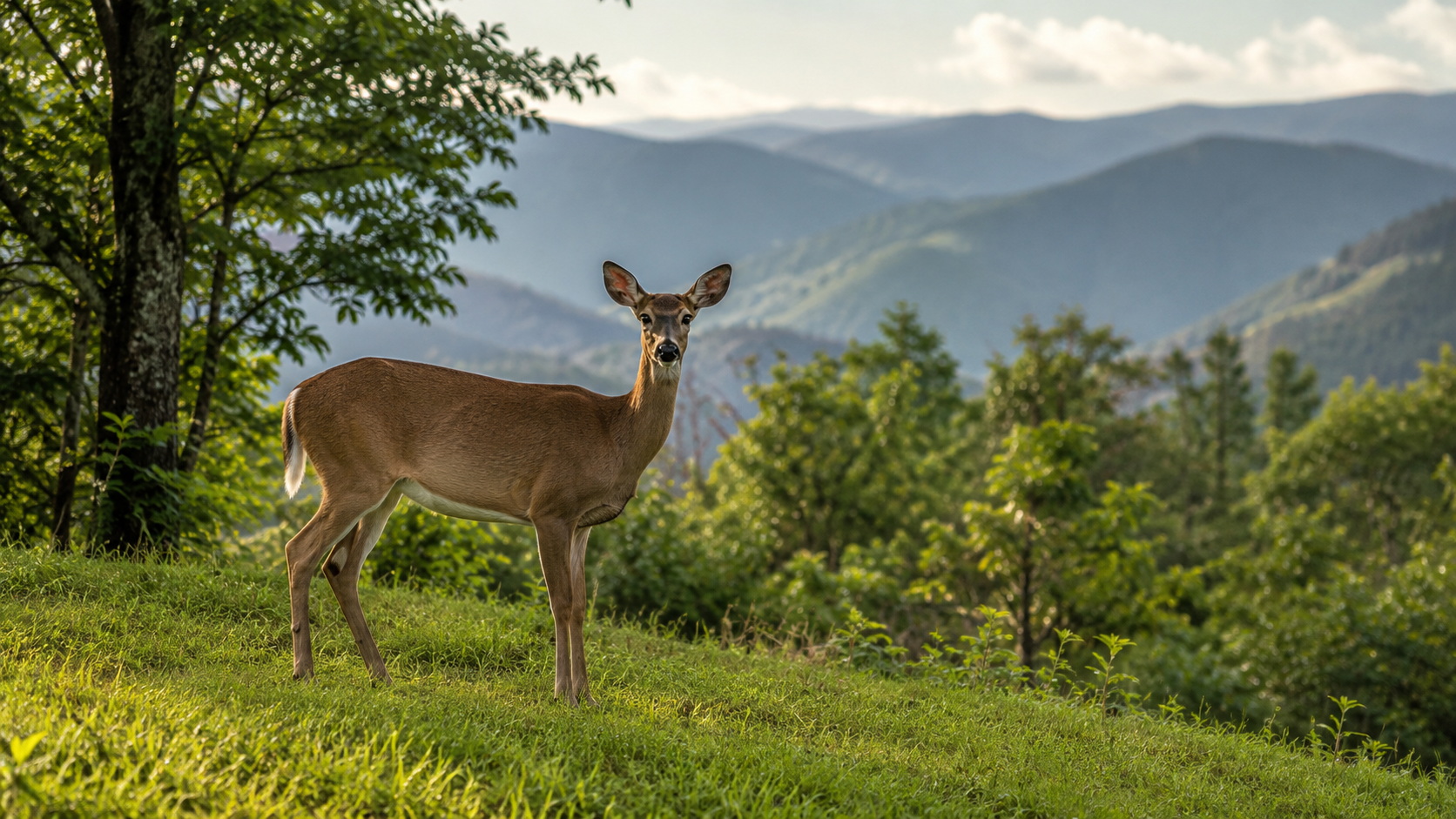
White-tailed deer standing with Smoky Mountain views
Other Smokies Wildlife

Elk, turkeys, deer and salamanders.

Elk: A Smokies Comeback Story

Elk once lived throughout the region but disappeared from Tennessee and the surrounding area by the 1800s. In 2001, elk were reintroduced to Great Smoky Mountains National Park, beginning an extraordinary comeback. Today, visitors have the best chance of seeing them around Cataloochee Valley and the Cherokee side of the park.
Wild Turkeys & White-Tailed Deer

Some of the most common wildlife you'll encounter while exploring the Smokies. Keep an eye out along roadsides and open areas, and always give wildlife plenty of space.

The Salamander Capital of the World

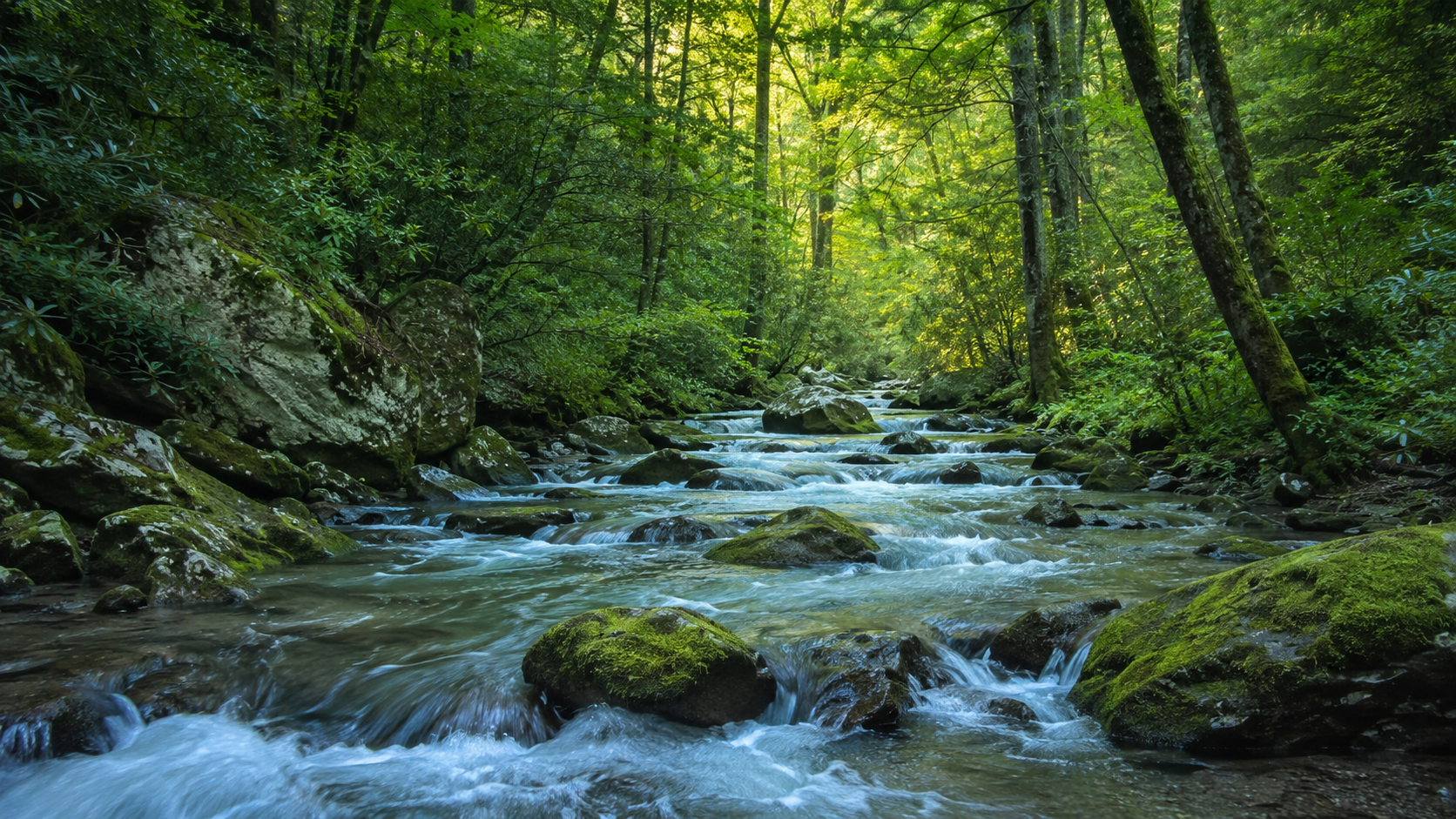
The Smokies are famous for their extraordinary diversity of salamanders. If you're exploring streams and riverbanks, remember that the rocks are part of their habitat. Please leave rocks where you find them rather than stacking or moving them.

Remember

You're visiting their home.

Observe. Photograph. Enjoy. But leave wildlife wild. Never feed or approach animals, keep pets under control, leave natural habitats undisturbed, and give every animal the space it deserves.

Forest stream habitat in the Smoky Mountains
Explore responsibly

Plan a Smokies stay with nature in mind.

Enjoy the scenery, respect wildlife, and return to a cabin cared for by our family.

Book your stay
Check availability & book